Welcome to
The O'Donnell
Briefing
Every day, news organisations publish thousands of stories covering politics, technology, law, international affairs, and human rights. Most focus on reporting what happened.
The purpose of The O'Donnell Briefing is slightly different. I am less interested in the headline itself and more interested in what happens next.
When governments introduce new surveillance powers, when courts deliver significant judgments, when artificial intelligence advances, or when international conflicts reshape the legal landscape, the most important questions are often not what has happened, but what the consequences will be.
What does a new facial recognition programme mean for privacy rights? How might advances in artificial intelligence change policing, employment, or national security? What are the long-term implications of citizenship deprivation powers? How should democratic societies balance security against liberty? These are the questions that sit at the heart of this website.
My background combines leadership experience in industry with academic study in law, culminating in an LLB (Hons) and ongoing postgraduate research in International Human Rights. Through both my research papers and regular briefings, I aim to examine the intersection of law, technology, human rights, and state power in an accessible, evidence-based, and forward-looking way.
The Research section contains longer-form papers exploring major themes in depth. The Briefings and Blog section focuses on current developments and their potential consequences for society, policy, and the law.
The goal is not simply to report events. It is to understand what those events mean.
Thank you for visiting, and welcome to The O'Donnell Briefing.
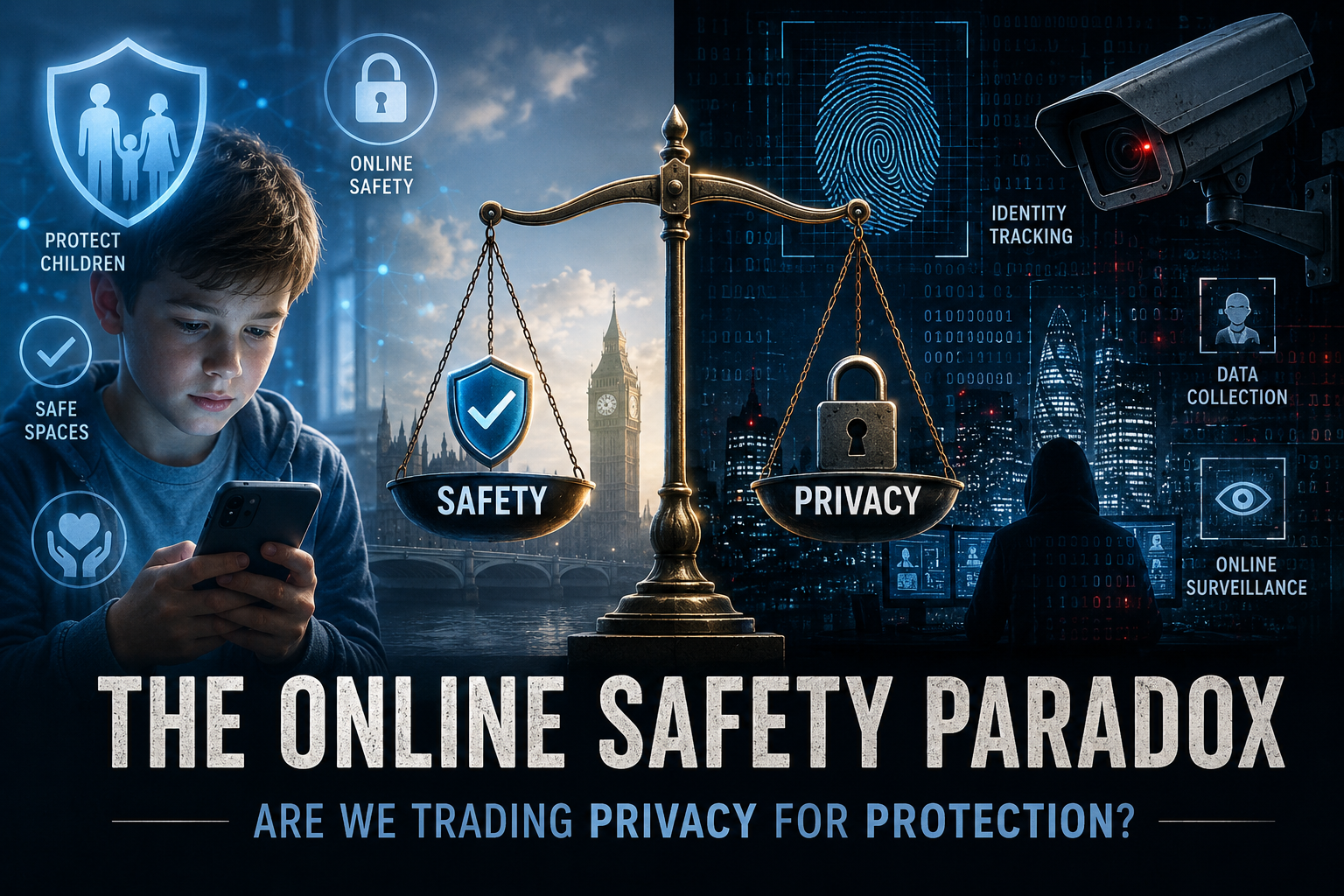
The Online Safety Paradox: Are We Trading Privacy for Protection?
As governments around the world introduce tougher online safety measures, a critical question is emerging: how much privacy should citizens surrender in exchange for protection? Examining developments in the UK, EU, Australia and the United States, this article explores the growing tension between digital safety, privacy rights and freedom of expression.
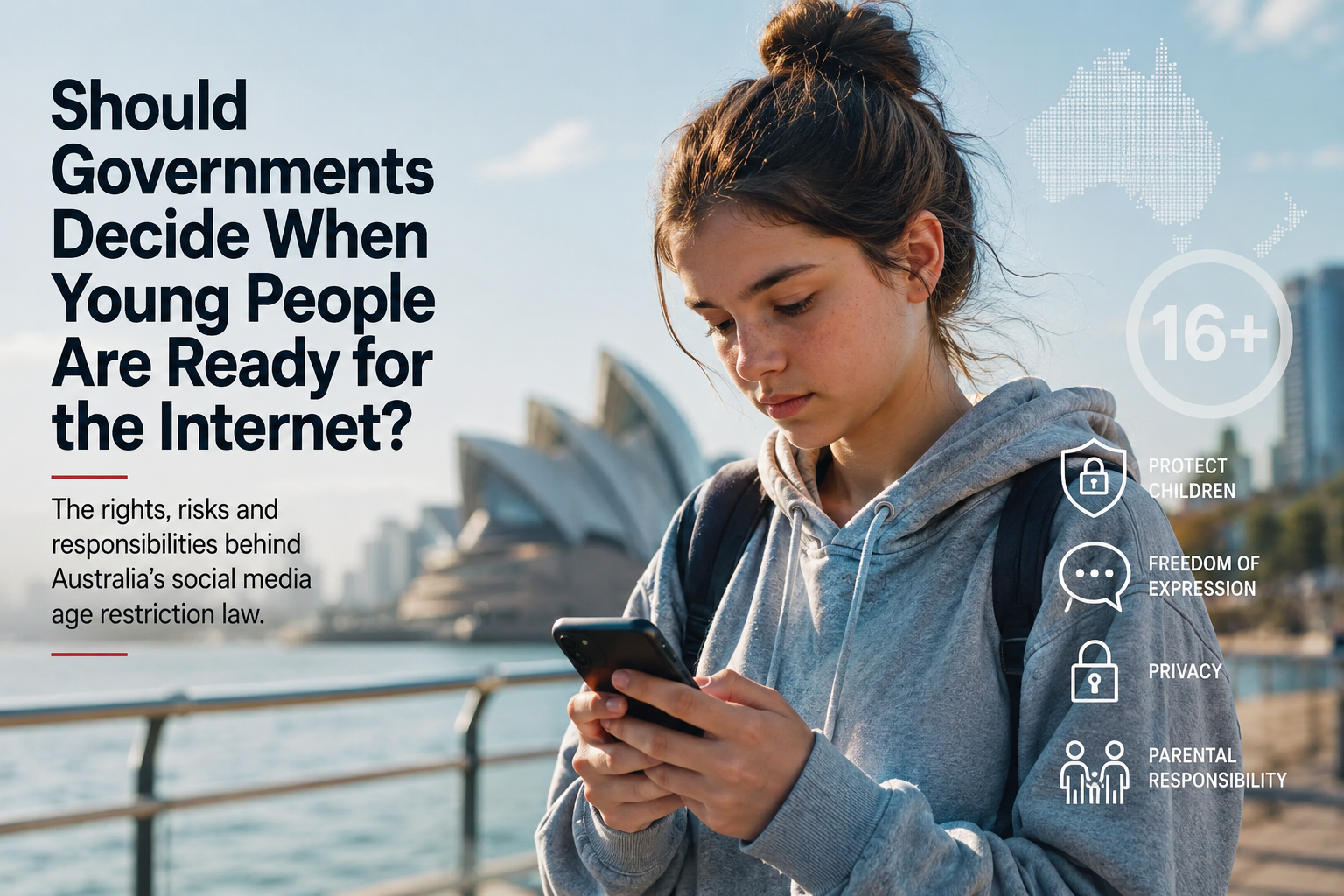
Should Governments Decide When Young People Are Ready for the Internet?
Australia has become the first country in the world to ban social media access for under-16s. While supporters view the move as a necessary protection for children, the decision raises wider questions about freedom of expression, privacy, parental responsibility, and the role of the state in regulating access to information.